How to Make Your Resume Easy to Scan with F-Pattern and Z-Pattern Design
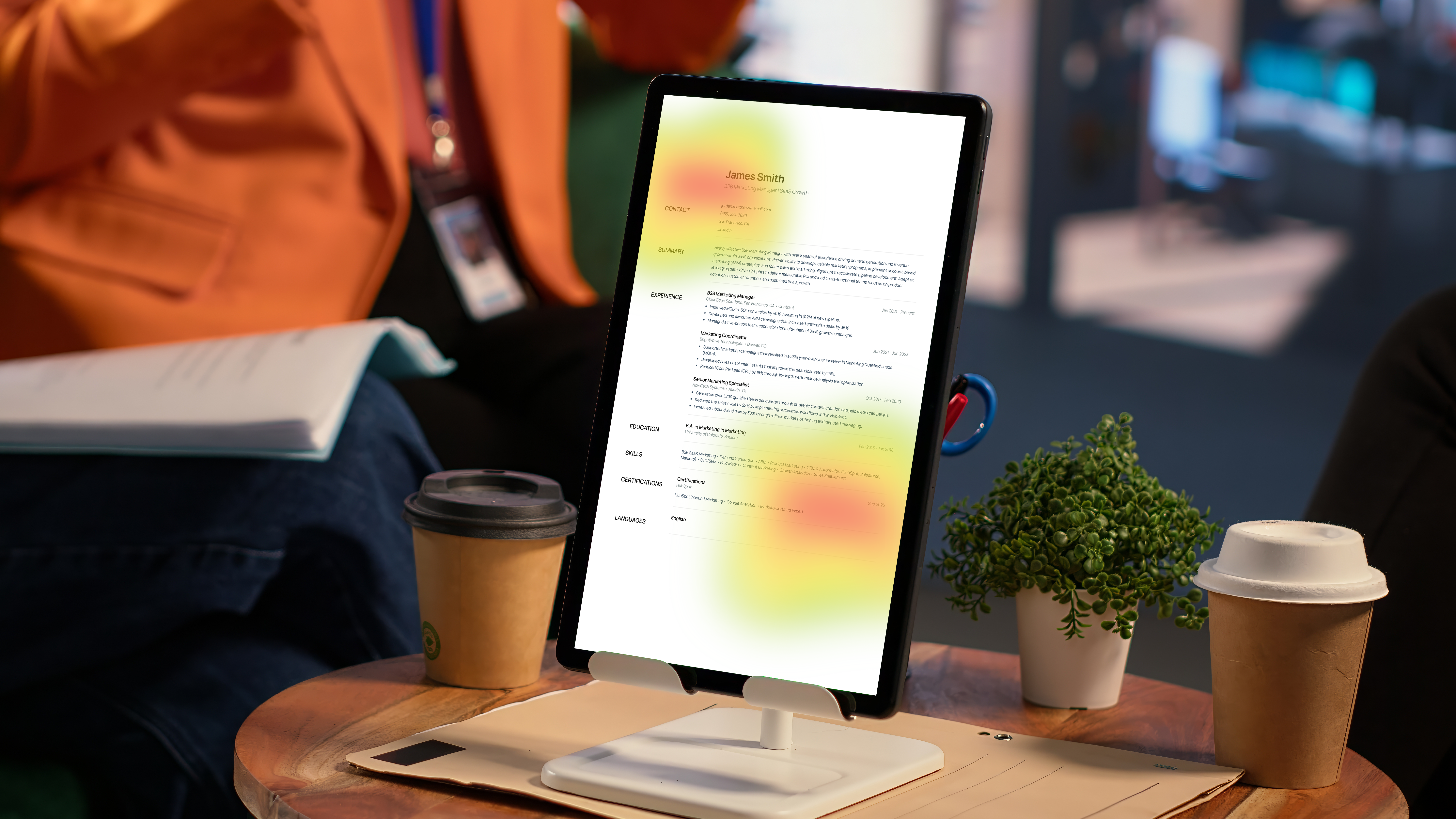
Recruiters spend very little time on a resume. A 2018 study by Ladders Inc. found that recruiters skim resumes for an average of 7.4 seconds before deciding whether to keep reading. Basically your resume should not just be well written but also easy to read
One way to make it more effective is to use resume layouts based on natural eye movement patterns. Two of the most common are the F-pattern and the Z-pattern. Let’s break them down with examples so you can see which one works best for your situation.
What Is the F-Pattern?
The F-pattern comes from a famous Nielsen Norman Group study on how people read web pages. Readers’ eyes move across the top of the page, down the left margin, and then across again, forming an “F” shape.
How this applies to resumes:
- Put your name and contact info at the very top.
- Place your headline or summary right under it.
- Align job titles, companies, and dates on the left side so they are easy to scan.
- Use bolded keywords at the start of each bullet point.

Example:
Imagine a recruiter scanning:
- Top line: “Sarah Johnson | Marketing Specialist”
- Down the left: “Digital Marketing Manager – XYZ Agency | 2020–2023”
- Across again: “Increased web traffic by 45% using SEO strategy.”
Your resume naturally guides the eye to the most important info.
What Is the Z-Pattern?
The Z-pattern is another scanning style often used in design and advertising. The eye starts at the top left, moves to the top right, cuts diagonally across the page, then finishes at the bottom right.
How this applies to resumes:
- Use the top line for name and contact info.
- Add a strong headline or branding statement on the top right.
- Place your skills or highlights section in the middle for attention during the diagonal scan.
- End with your education or certifications at the bottom.

Example:
A recruiter scanning might see:
- Top left: “Smith Dalton| Software Engineer”
- Top right: “Full-Stack Developer | Specializing in React & Node.js”
- Diagonal: “Key Skills: JavaScript, Python, AWS”
- Bottom right: “Certified AWS Solutions Architect.”
This format works well if you’re in creative fields or want to balance text with visuals.
Which One Should You Use?
- F-pattern resumes are better for traditional roles where recruiters expect structure (finance, law, consulting).
- Z-pattern resumes shine in modern or creative fields where design and branding matter (marketing, design, tech startups).
If you’re not sure which one fits, try both. Sunday Morning’s resume builder makes it easy to switch between layouts while keeping things clean and ATS-friendly.
Quick Tips to Make Any Resume Scannable
- Use bolded keywords at the start of bullets.
- Keep bullet points short (1–2 lines max).
- Add white space between sections.
- Stick to clean fonts (Arial, Calibri, Helvetica).
- Test it: Ask a friend to glance at your resume for 7 seconds and tell you what stood out.

Recruiters don’t have time to read every word, so give them a layout that matches how their eyes naturally move. Whether you use the F-pattern or Z-pattern, the goal is the same: make your resume easy to scan and impossible to ignore.Want to test it out? Try building your next resume with Sunday Morning’s resume builder and see how much cleaner it feels.