How to Tailor Your Resume with the Right Keywords
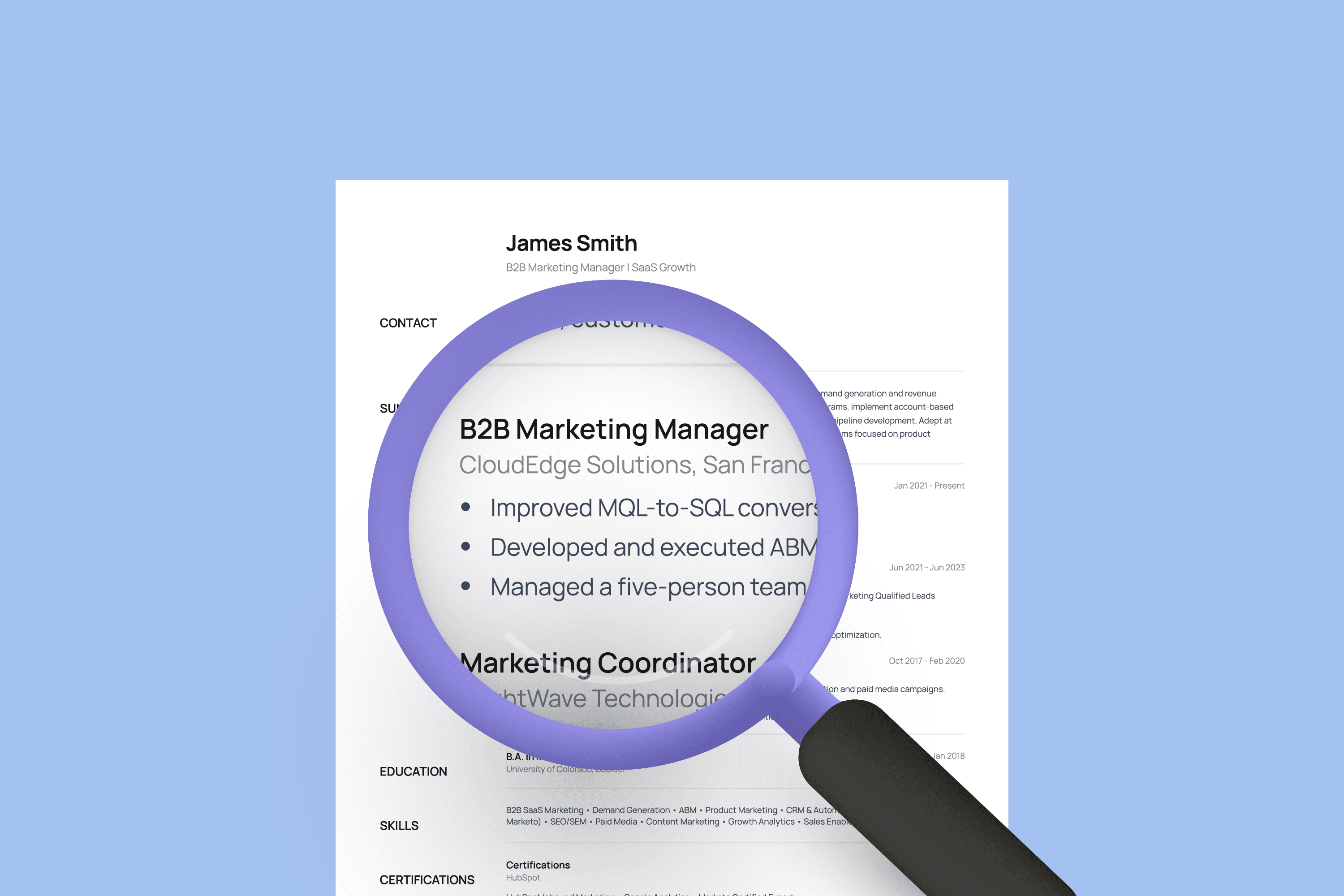
When it comes to job applications, your resume is not just a list of your experiences. It is also a tool that needs to “speak the same language” as recruiters and applicant tracking systems (ATS). One of the most effective ways to do this is by using the right keywords. If your resume does not match what employers are looking for, you might get filtered out before a human even sees it.
The good news? You do not have to guess what keywords to use. With a few smart steps, you can tailor your resume so it shows up in searches, passes ATS scans, and makes recruiters want to read more.
Why Keywords Matter in Your Resume
Most companies use ATS software to screen resumes before they ever reach a hiring manager. The system looks for keywords that match the job description, like “project management,” “data analysis,” or “customer service.” Without those words, your resume may not make it past the first filter.
Think of it this way: keywords are the bridge between what you have done and what the employer is asking for. The closer the match, the stronger your chances of getting noticed.
How to Find the Right Keywords
1. Study the Job Description Closely
The best place to find keywords is in the job posting itself. Look at the responsibilities, qualifications, and required skills. Words that appear more than once are often high-priority keywords.
2. Check Similar Roles
Search for similar roles on job boards to see if the same terms keep popping up. For example, project manager roles often repeat keywords like “budget management,” “stakeholder communication,” and “process improvement.”
3. Look at LinkedIn Profiles
Browse the profiles of people already in the role you want. Pay attention to how they describe their skills and accomplishments. These terms can also be valuable keywords for your resume.
How to Use Keywords Naturally
Adding keywords does not mean stuffing your resume with buzzwords. Recruiters can spot that quickly. Instead, work them into your experiences and achievements.
For example:
- Instead of writing: “Oversaw projects for different teams.”
- Try: “Led cross-functional projects with a focus on budget management and stakeholder communication.”
This way, you are showing what you did while also including relevant keywords.
Balance Hard Skills and Soft Skills
Keywords are not just technical. Employers also look for interpersonal strengths like “team collaboration” or “leadership.” Mix both hard and soft skill keywords so your resume shows you are not only qualified but also a great fit for the team.
Avoid Overstuffing
It might be tempting to pack in as many keywords as possible, but quality matters more than quantity. If your resume feels unnatural or robotic, it will work against you. Focus on relevance. Each keyword should feel like it belongs in your story.
Tools That Can Help
If tailoring your resume feels overwhelming, you can use tools like Sunday Morning’s Resume Builder, which helps format and highlight your skills while making your resume ATS-friendly. Pairing it with our AI Cover Letter Assistant makes it even easier to align your application with the job description.
In case you have not yet read it, check out our blog on How to Make Your Resume Easy to Scan with F-Pattern and Z-Pattern Design for tips on formatting your keywords so recruiters can spot them quickly.
Keywords are not just for search engines. They are one of the most powerful ways to make your resume stand out in today’s hiring process. By finding the right terms, using them naturally, and balancing both hard and soft skills, you can make sure your resume gets past ATS filters and into the hands of recruiters.
And if you want to make this process simpler, Sunday Morning has tools to help you create resumes, draft cover letters, and prepare for interviews with confidence.
Find Out More