Should You Include References on Your Resume?
A few weeks ago, I was scrolling through job forums when I noticed a funny trend.
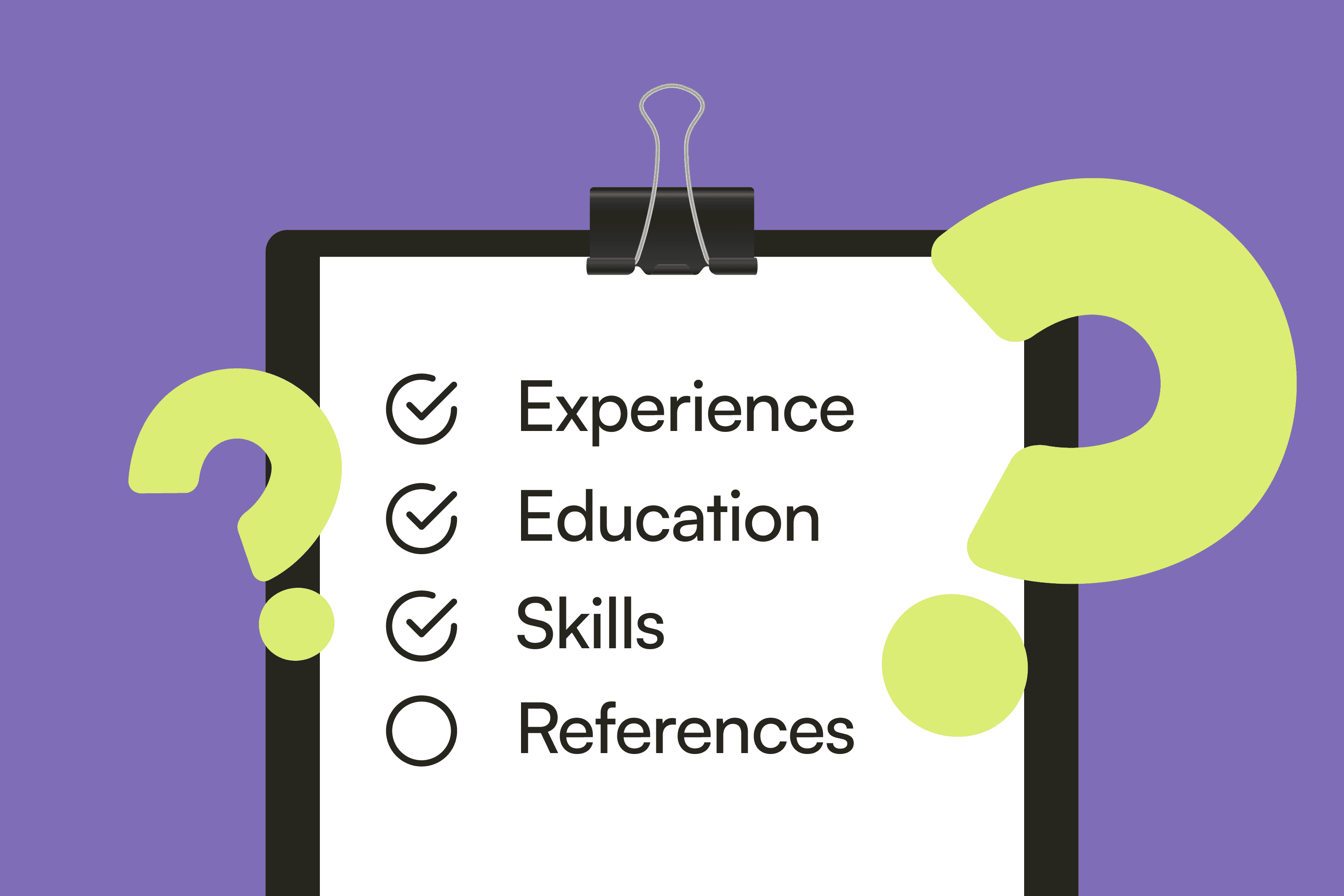
Everyone was arguing about whether or not to include references on a resume.
One person swore that not including them made you look unprepared.
Another said it was a total waste of space.
Someone even shared a screenshot of their resume that had a whole “References” section complete with phone numbers.
And that got me thinking: how did something so small become such a big debate?
What You’ll Learn
Here’s a quick rundown of what you’ll learn in this post:
- Whether or not to include references on your resume
- When it’s smart to share references (and when it’s not)
- How to prepare a reference list the right way
Here’s the Deal
You don’t need to include references on your resume anymore. Seriously.
Recruiters today just don’t expect to see them upfront. When they’re ready to check your references, they’ll ask, and that usually happens after you’ve already impressed them in an interview.
Until then, those few lines of text could be doing something much more useful.
Why You Should Leave References Out
Let’s make this simple:
1. Space is premium real estate.
That resume section could be used to tell a story about your best project or achievement. Don’t waste it on other people’s names.
2. Privacy matters.
Your old boss probably doesn’t want their number floating around on every job portal. Keep their info safe until it’s needed.
3. It’s a timing thing.
Hiring managers won’t check your references unless you’re in the final stages. At the early stage, they’re only looking at one thing: you.
When to Actually Share References
There are better times to share them, like when:
- The recruiter asks for them directly (usually after an interview).
- The application form specifically includes a “References” field.
- You’re at the final step and they’re making an offer.
When that time comes, just send a short, clean document labeled “YourName_References.pdf.”
How to Be Reference-Ready
Here’s a small cheat sheet for being ready when they ask:
- Ask early. Reach out to people who can speak about your work.
- Choose wisely. Go for people who’ve actually seen you do great things, not just folks with fancy titles.
- Keep them informed. Tell them when you’re applying so they’re not caught off guard.
The Bigger Picture
Here’s something most people don’t realize.
Recruiters don’t decide who gets called in based on references. They decide based on resumes that stand out.
That’s why it’s better to focus your energy on writing a resume that’s strong, clean, and clear, one that shows your wins instead of relying on someone else’s words.
And that’s exactly what Sunday Morning’s Resume Builder helps you do. It doesn’t just create a good-looking resume; it helps you tailor it to your dream roles and score higher with applicant tracking systems.
So by the time they do ask for references, you’re already three steps ahead.
Real talk
Should you include references on your resume? No.
Should you be ready with them when asked? Absolutely.
Keep your resume about you, your story, and your results. That’s what gets you noticed.
Want a resume that speaks for itself?
Build yours with Sunday Morning’s Resume Builder and make a recruiter stop scrolling today.
Find Out More
- How to Make Your Resume Easy to Scan with F-Pattern and Z-Pattern Design
- How to Explain a Career Change in an Interview
- How to Show Up on Day One Like You Belong There
- How to Tailor Your Resume for Different Jobs
- How to Stand Out with a Story-Driven Cover Letter
- 10 Resume Mistakes That Are Costing You Interviews